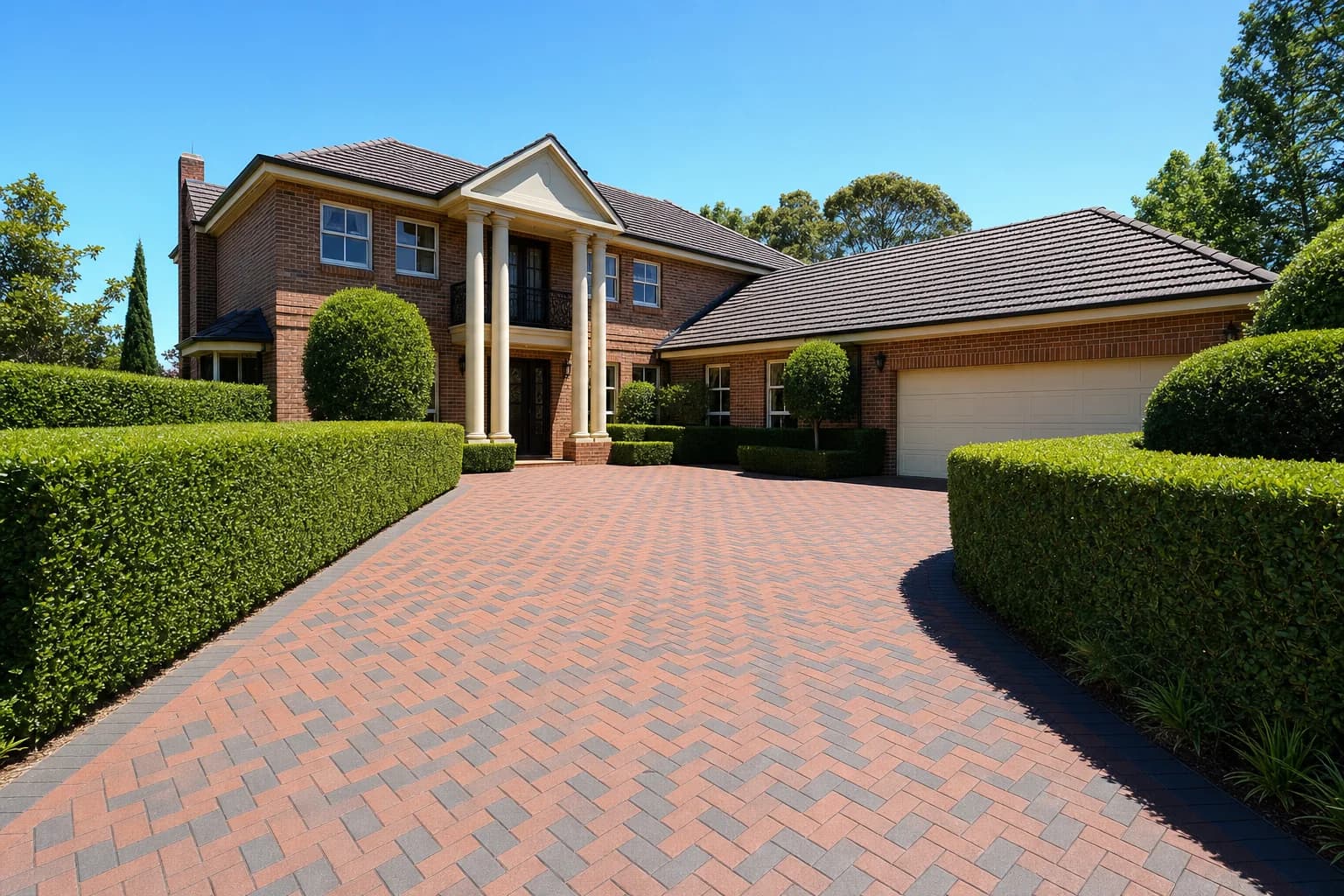
Paving Canning Vale
We lay pool paving, coping and alfresco paving in Canning Vale, every paver on a full mortar bed, and we'll give you a proper price before we start. Canning Vale yards often have a pool, an alfresco and a driveway all wanting doing at the same time.
- Every paver on a full mortar bed
- The person who quotes it lays it
- $180 per square metre, supply and lay
Get a price for Canning Vale
A photo of the area and a rough size is enough to price it.
What we pave in Canning Vale
Five kinds of job, all laid the same way. Pool surrounds and coping are most of what we do, and the same method goes under a driveway, an alfresco or paving we're relaying.
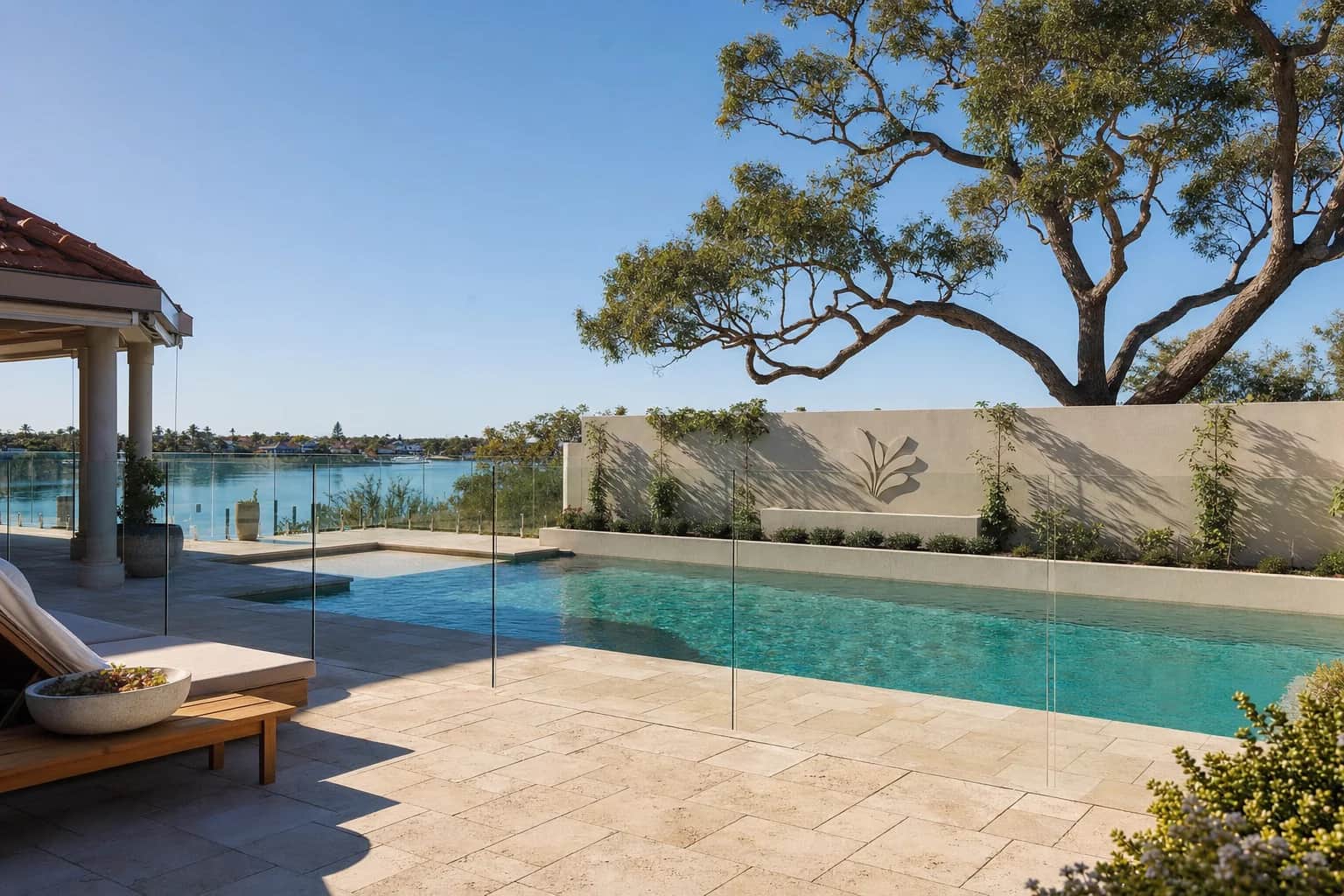
Pool paving
The surround, laid wet on a full mortar bed so it stays flat when the ground moves.
Learn more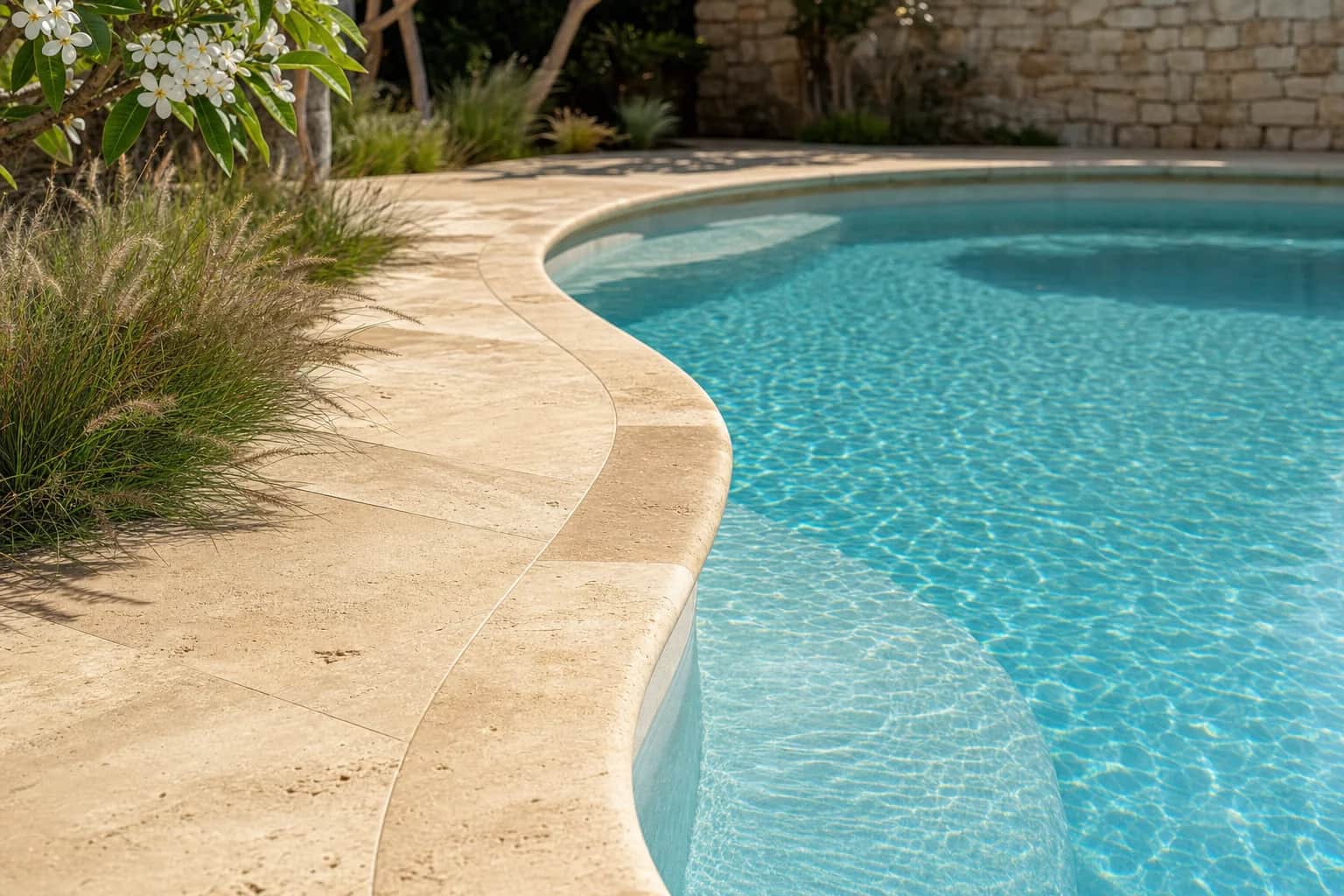
Pool coping and capping
The edge you sit on, cut piece by piece to follow the curve of the pool.
Learn more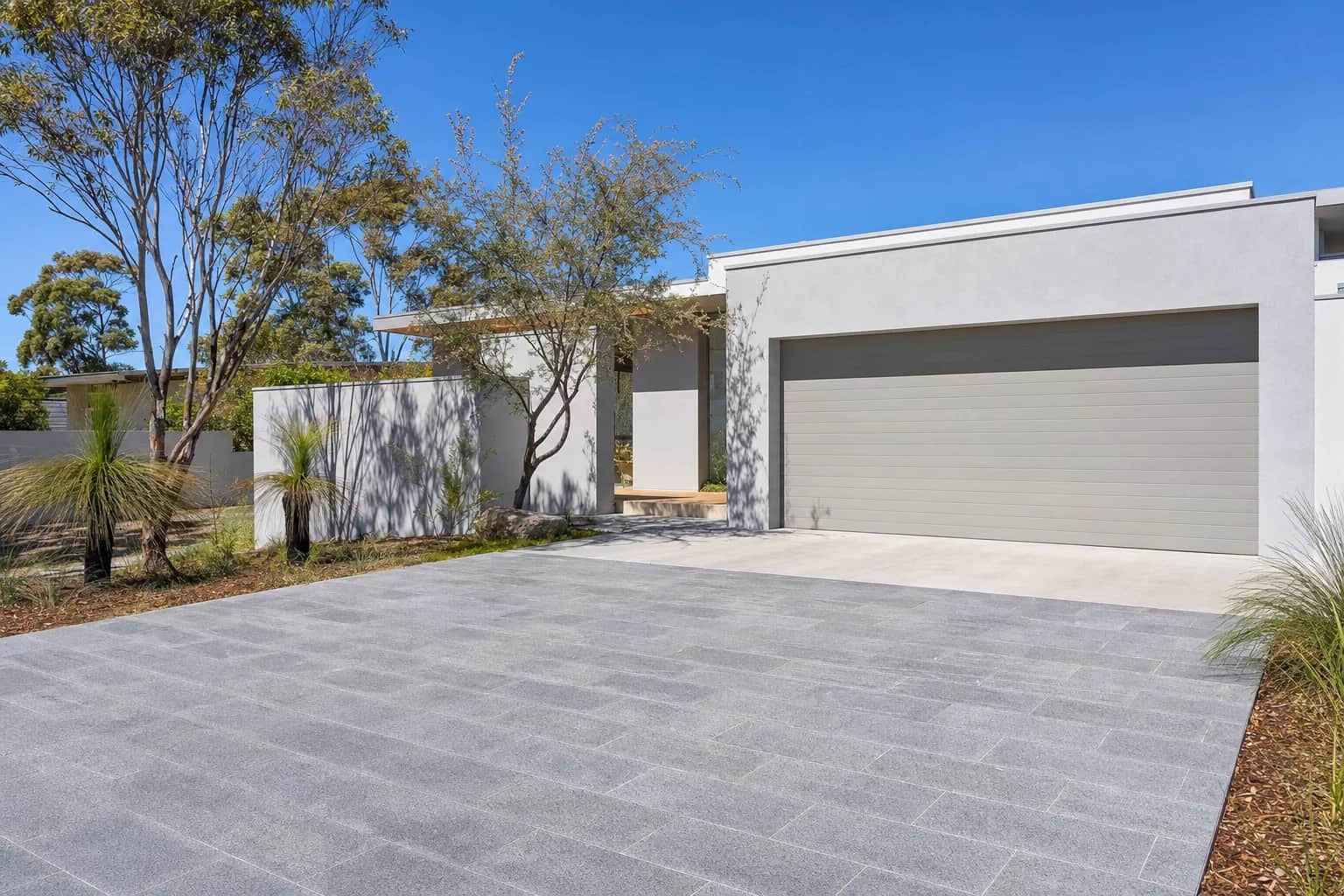
Driveway paving
Large-format porcelain and natural stone, laid on a base built to carry a car.
Learn more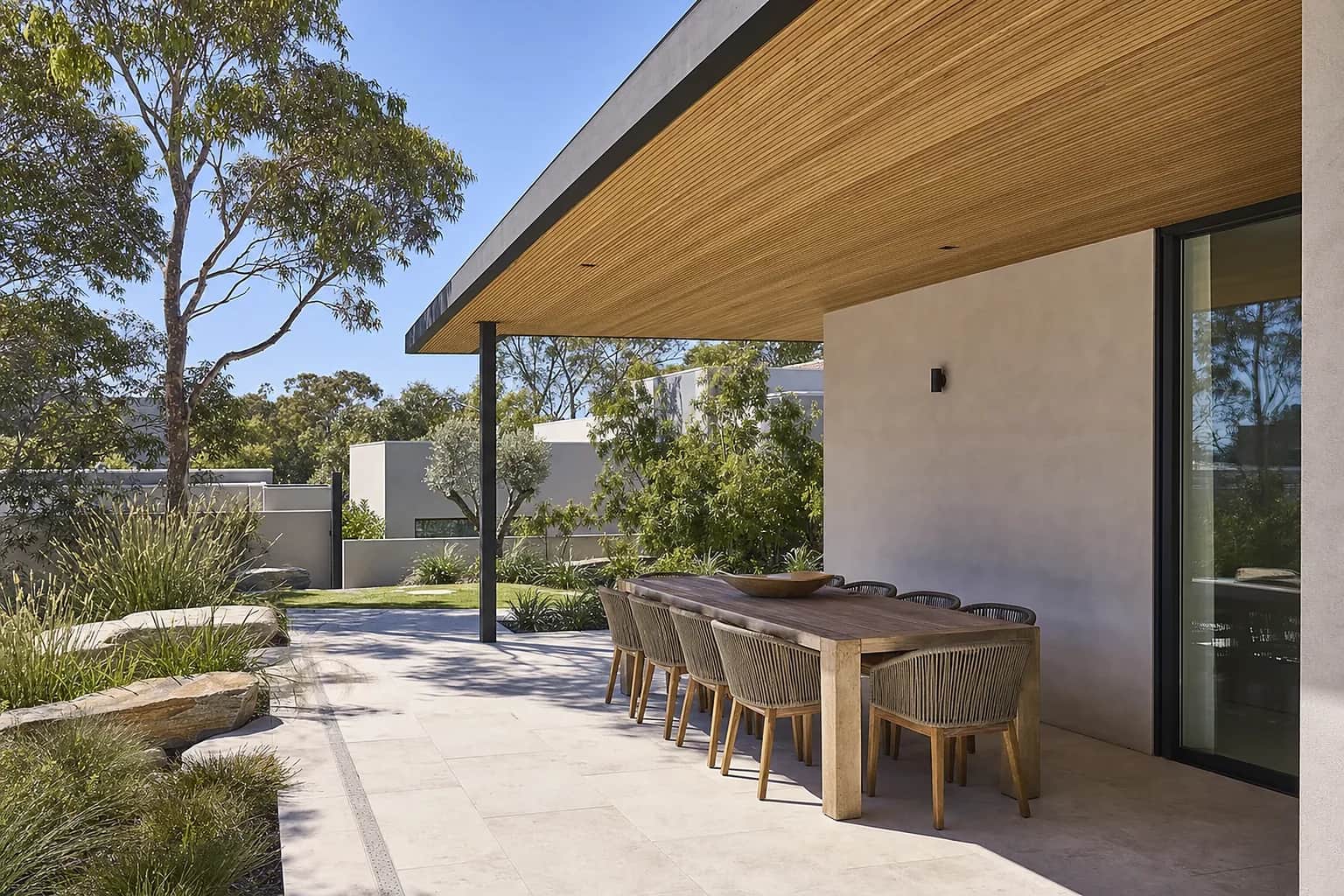
Alfresco and outdoor living
Paving that runs level from inside the house out through the door.
Learn more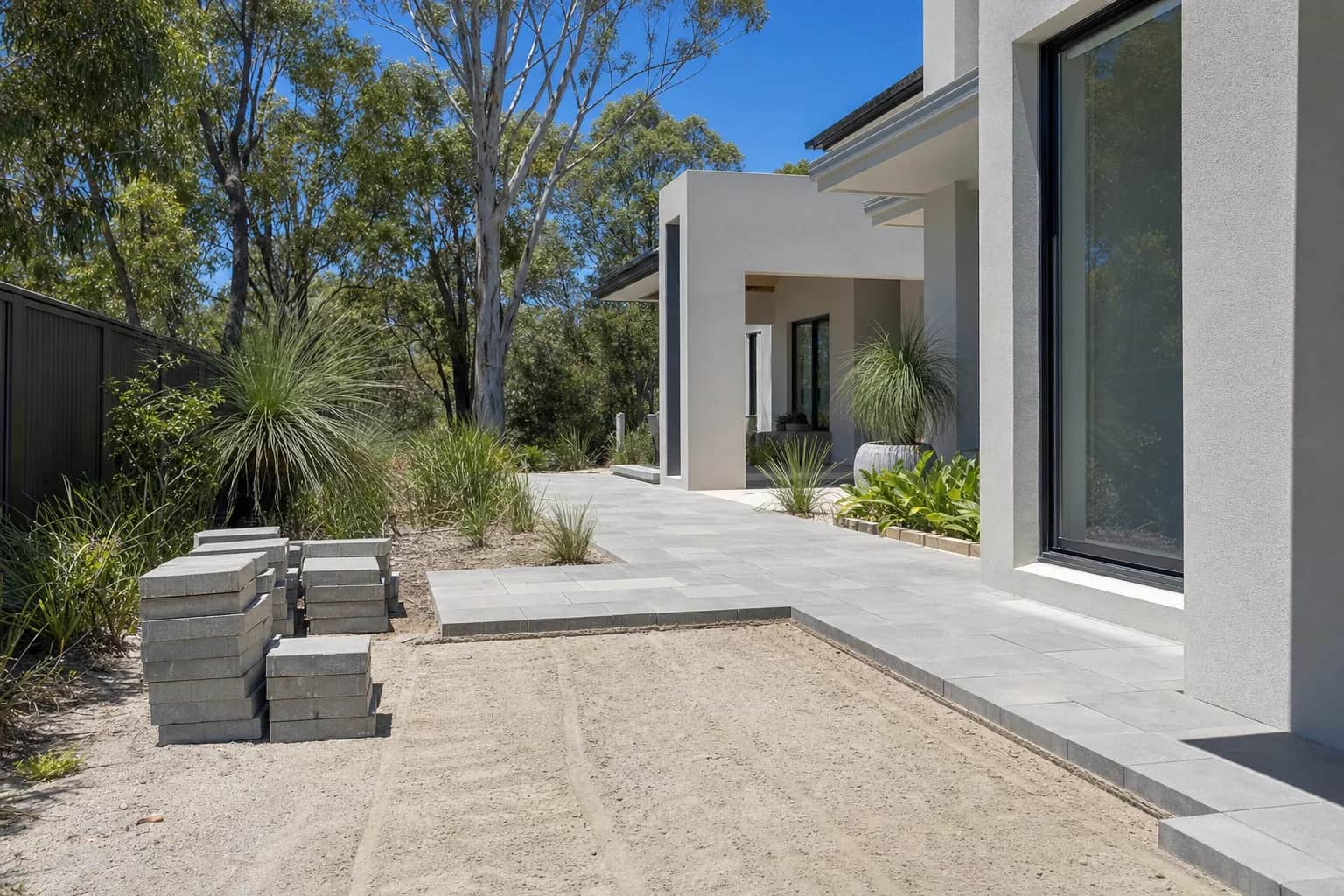
Relaying sunken or spread paving
We lift paving that's sunk, rocked or spread, fix the base, and relay it on a wet bed.
Learn more
The homes and blocks we work on in Canning Vale
Canning Vale is largely nineties and two thousands family housing on good sized blocks, a lot of it built as part of a package. Backyards are generous, and plenty of them have a pool, an alfresco and a driveway all wanting attention at the same time.
What people choose in Canning Vale
We lay five materials, and which one suits comes down to how much sun the area gets, how it feels underfoot, and what the house is already made of.
Travertine is the usual choice around a Canning Vale pool. For driveways, a clay or concrete driveway paver in a herringbone pattern is the one we lay most, because it locks together under a car. Plenty of people match the two so the property reads as one.
Compare all five paving materials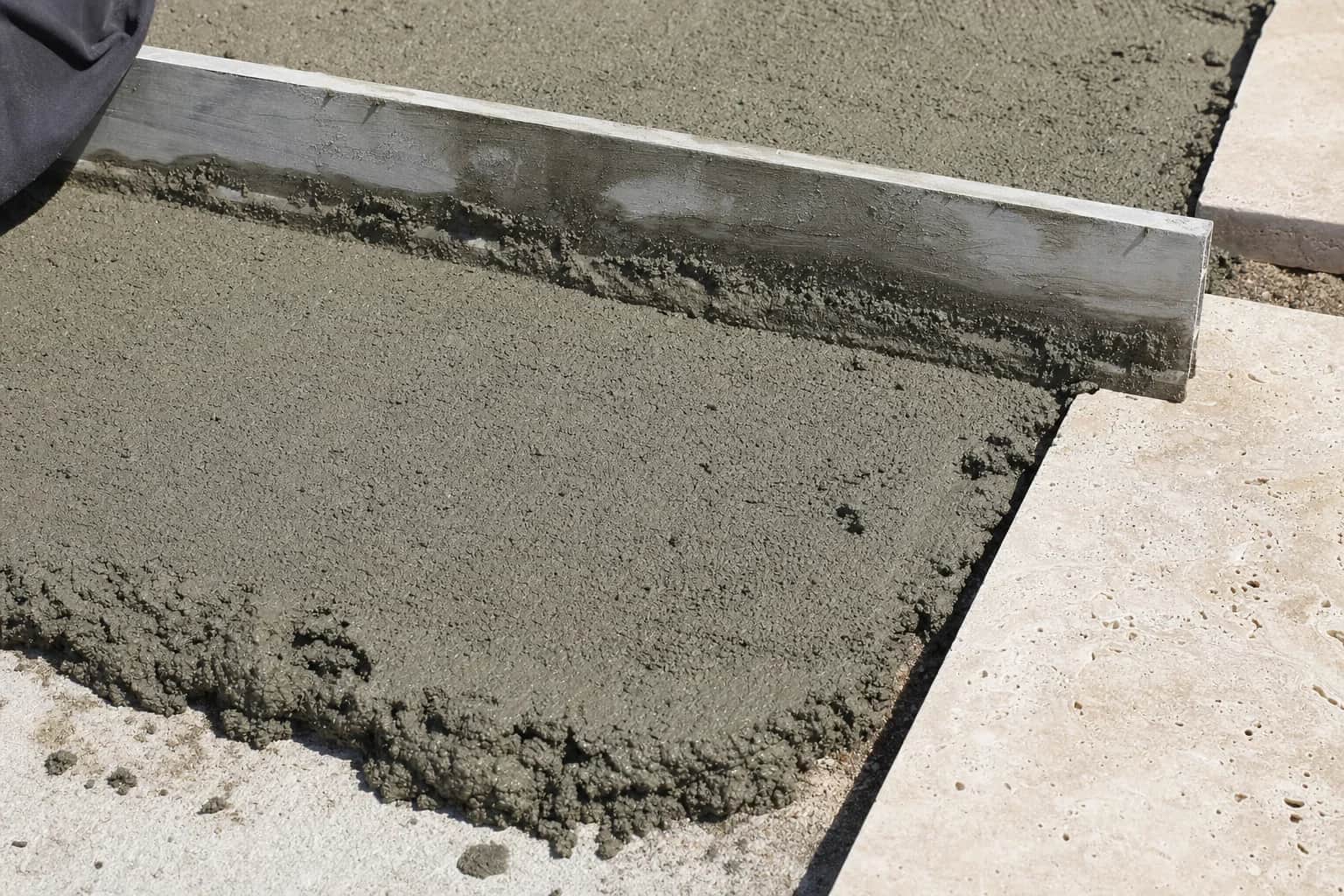
Wet laid, on a full bed
We build and compact the base first, and set the falls so water drains away from the house and the pool before a single paver goes down.
Then every paver is bedded into wet mortar across its whole underside, and the joints are grouted solid. That's what keeps the surface flat and holding together as one piece.
Every paver, every job, on a full bed of mortar.
Frequently asked questions about our paving services
Where Canning Vale sits
Canning Vale and everything around it. If your street is on the edge of the boundary, it makes no difference to us: ask anyway.
We also pave nearby
Every area we cover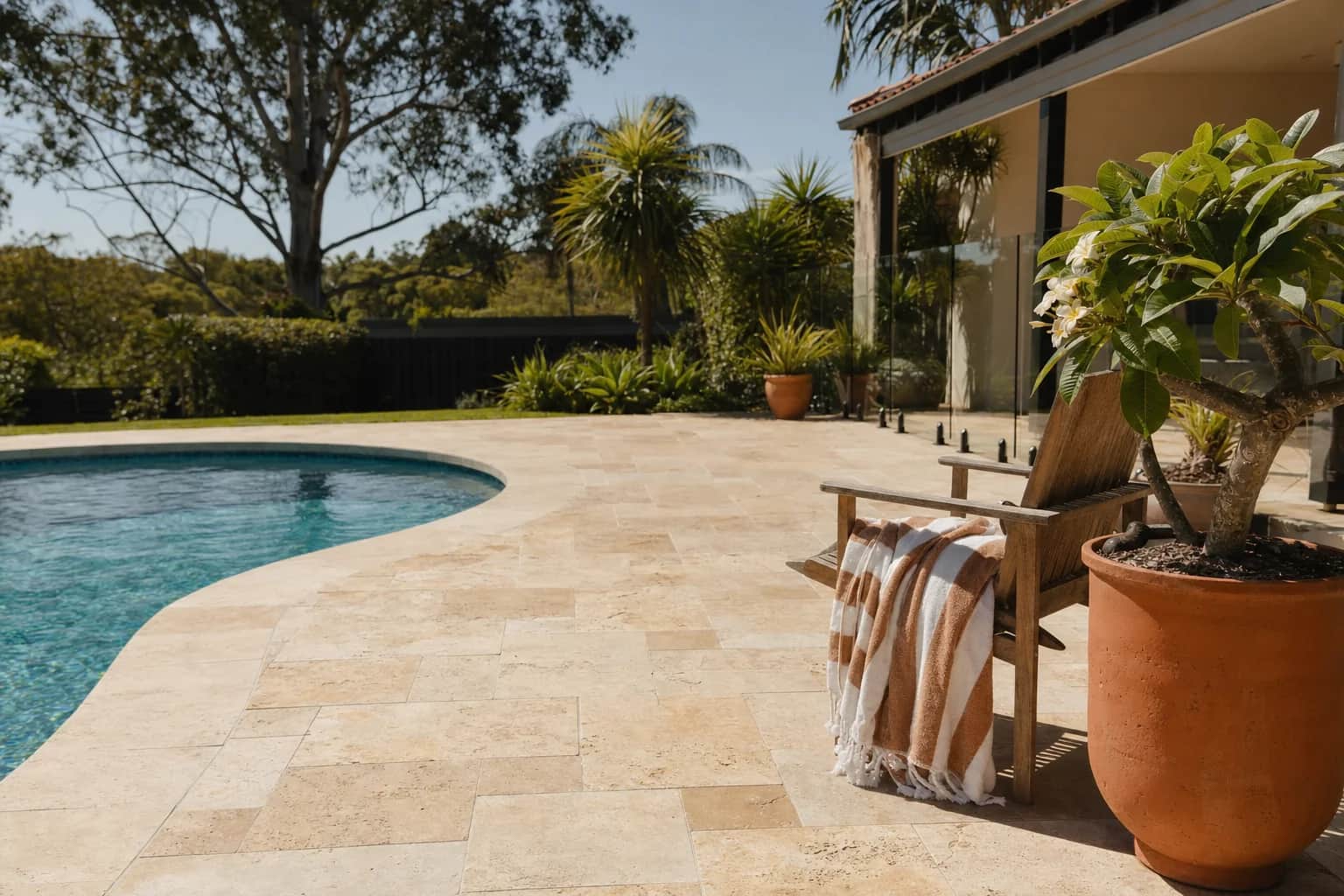
Tell us the street in Canning Vale and send a photo
A photo of the area, a rough size and the material you have in mind is enough for us to give you a proper price. If what you're after isn't something we do, we'll tell you that too.