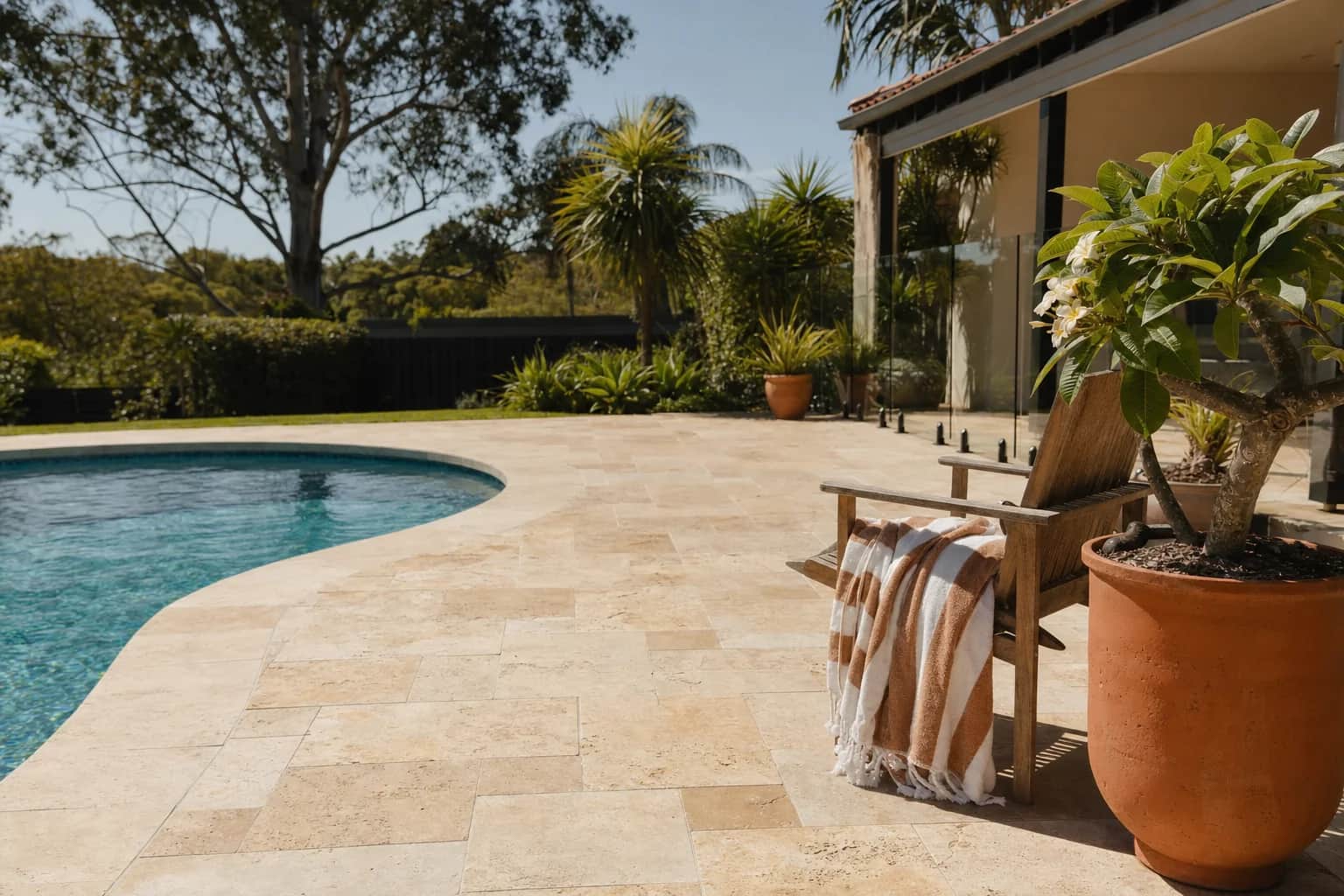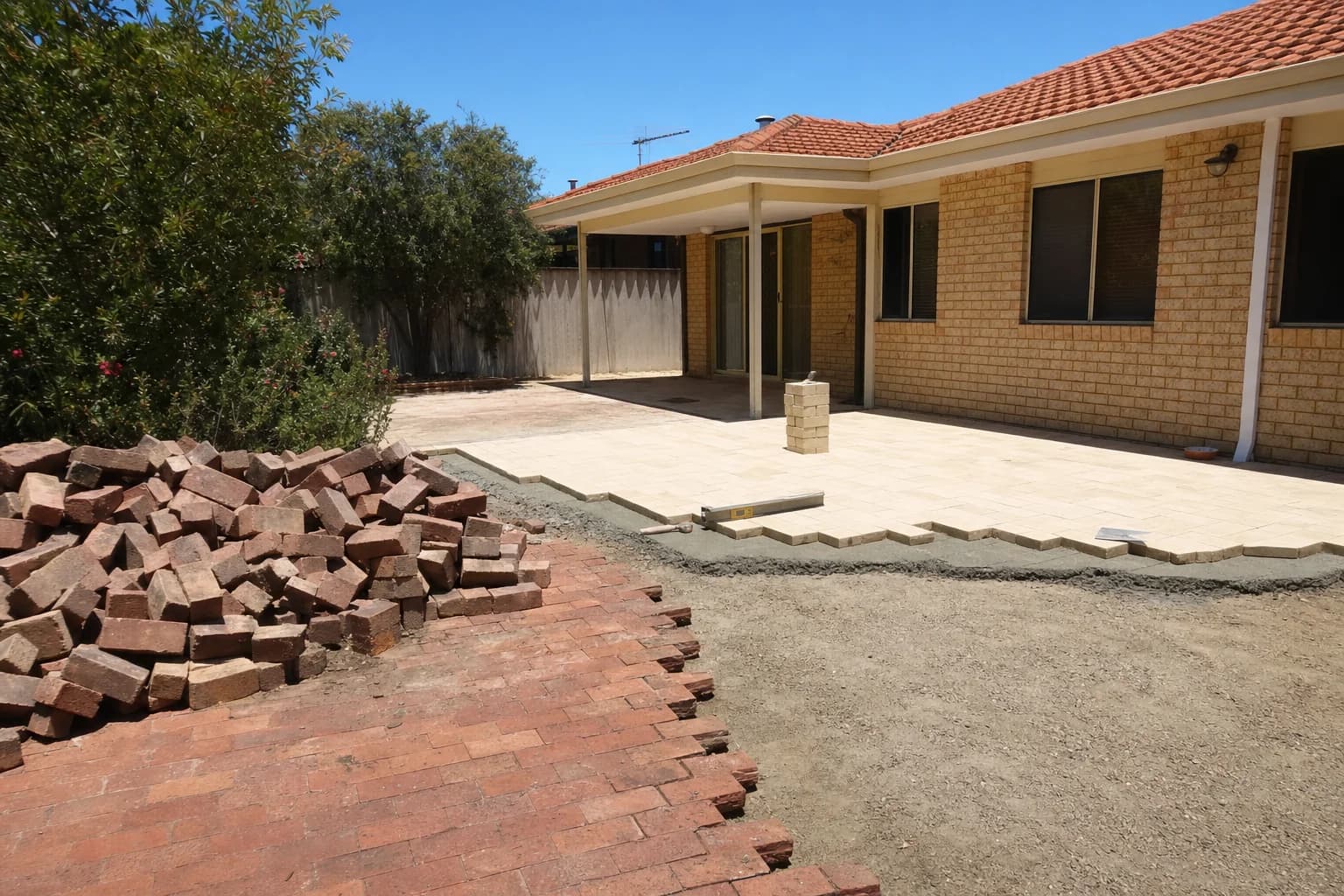
Currambine asks for replacement paving far more often than a first surface. The estates here went in through the nineties, so the original paving is now thirty years old and has done all the moving it is ever going to do.
Get a price for Currambine
A photo of the area and a rough size is enough to price it.
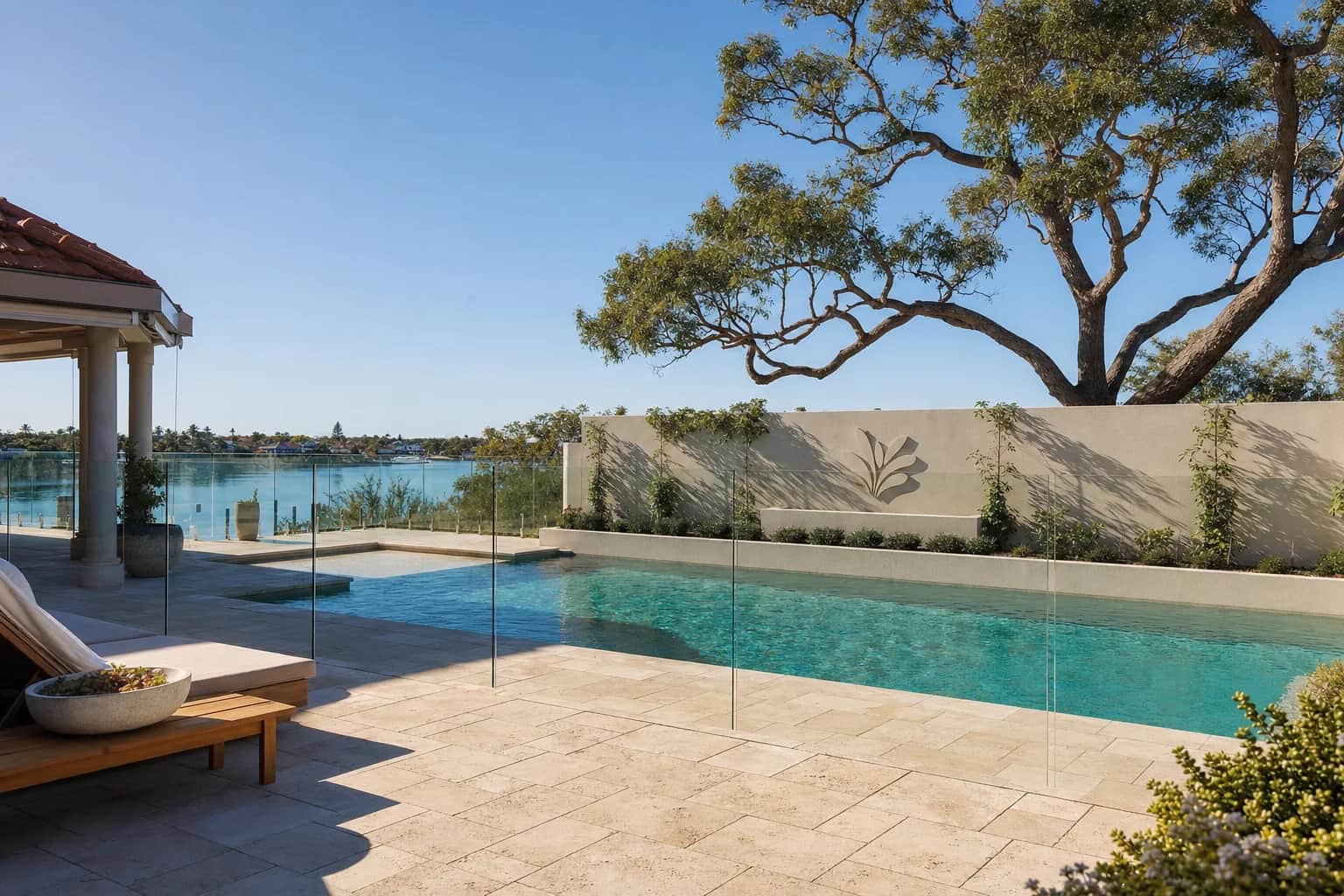
Same crew and the same method behind all of it. What changes between these is the base under them, the load they take and how much of the work is cutting.

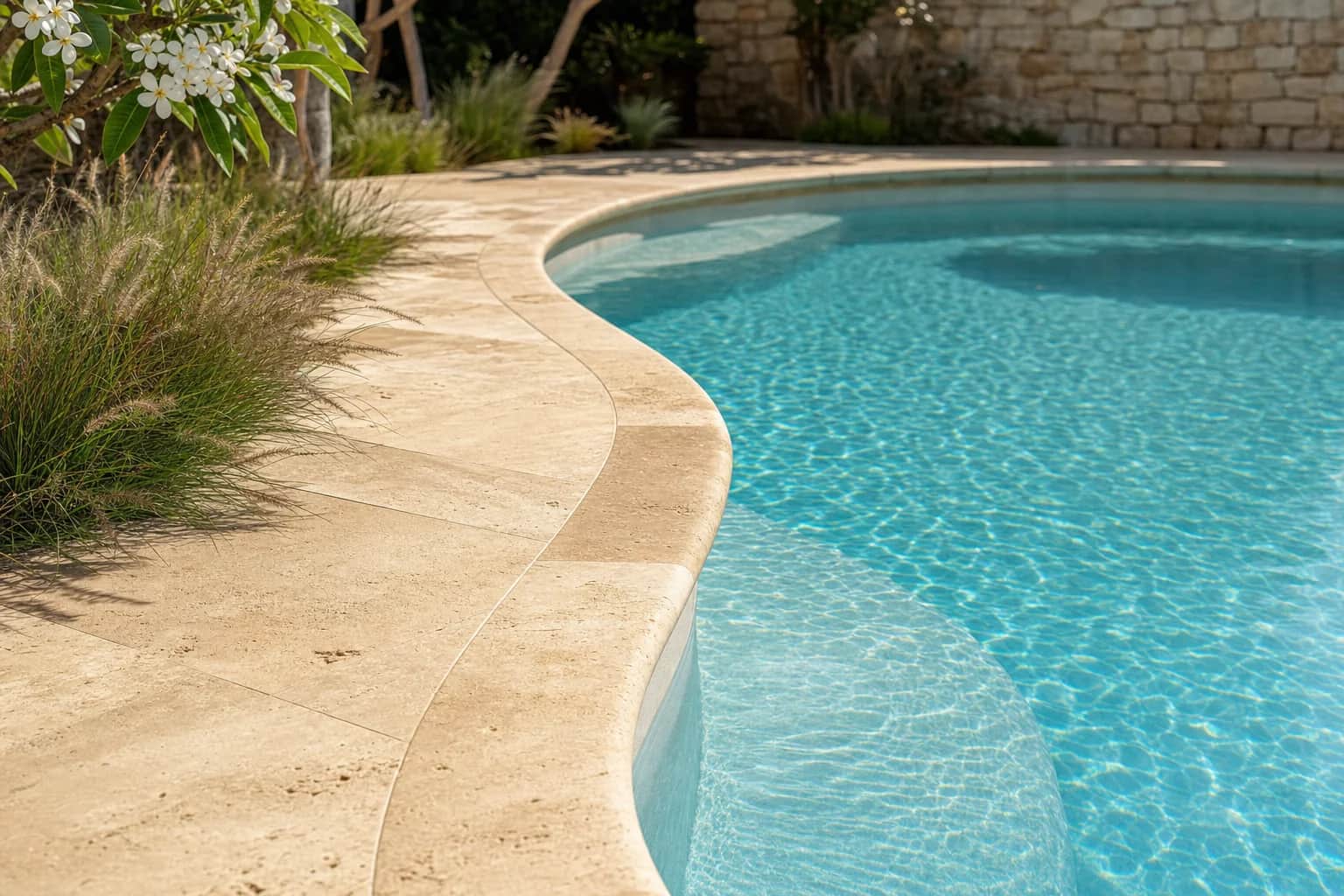
Pool paving
The surround, laid wet on a full mortar bed so it stays flat and stays put when the ground moves.
Learn more
Pool coping and capping
The edge that everyone touches and everyone looks at. Cut to the curve, not forced around it.
Learn more
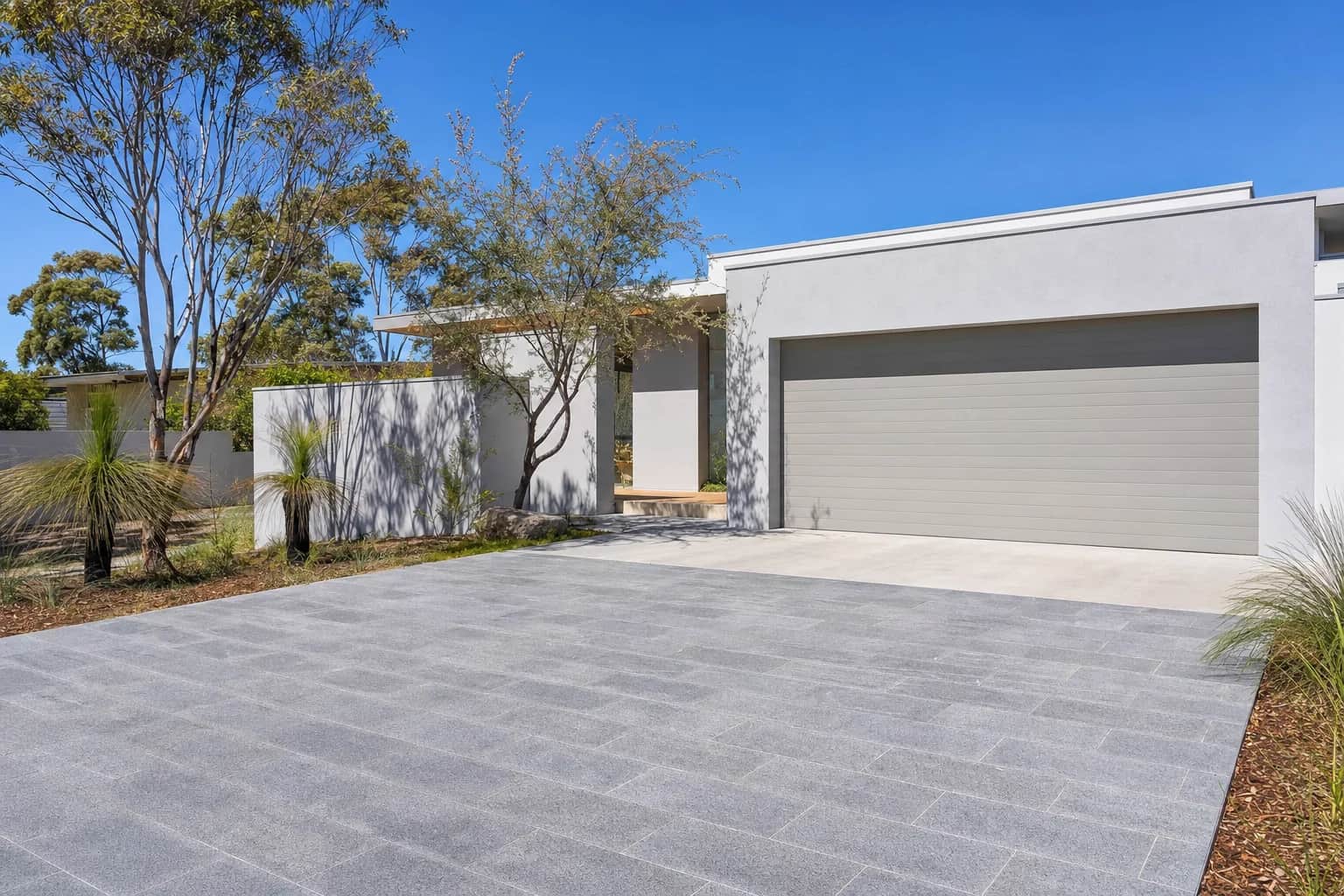
Driveway paving
Large-format porcelain and natural stone, bedded to take a car rather than to look right on day one.
Learn more
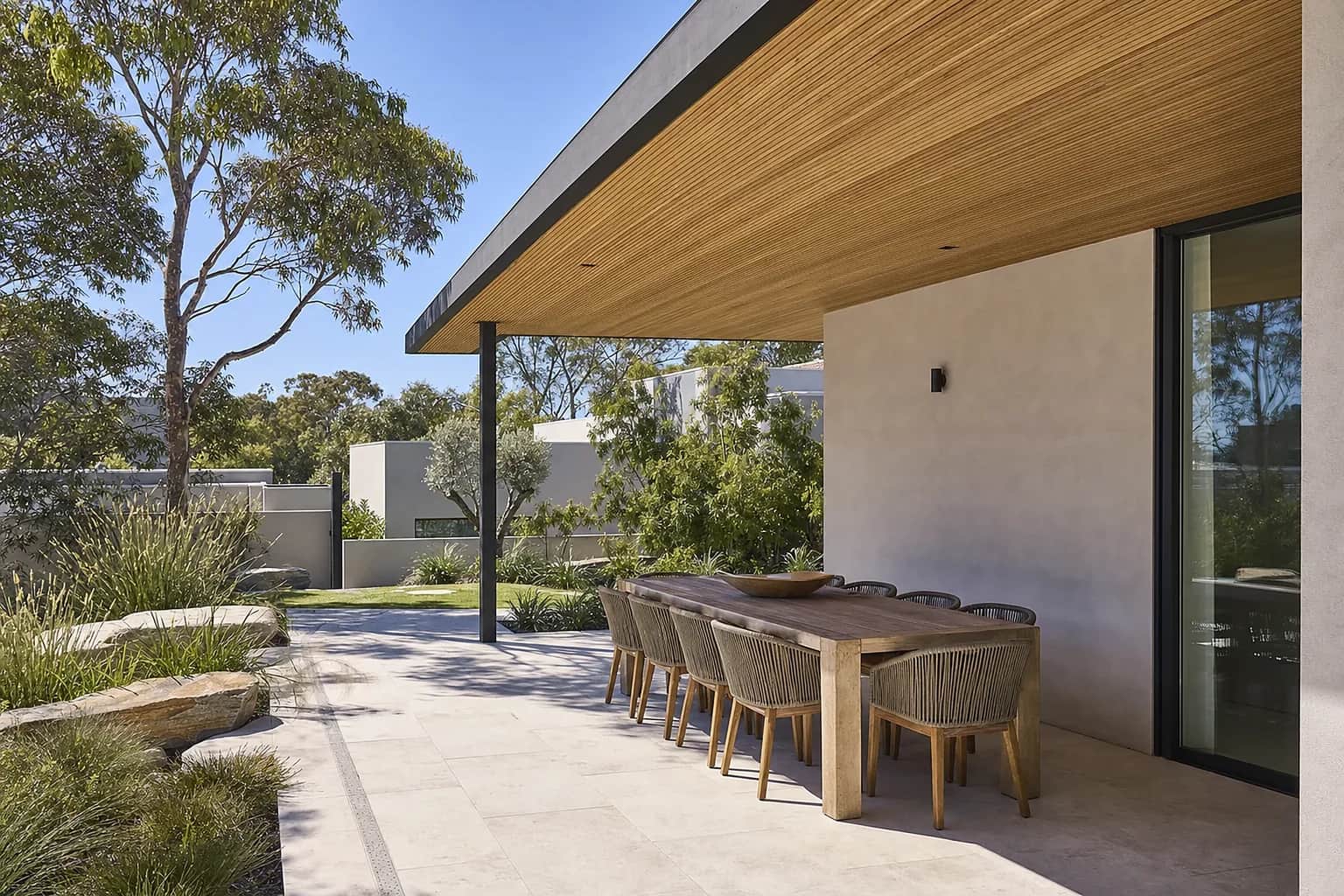
Alfresco and outdoor living
Inside floor level carried out through the door so the room does not stop at the threshold.
Learn more
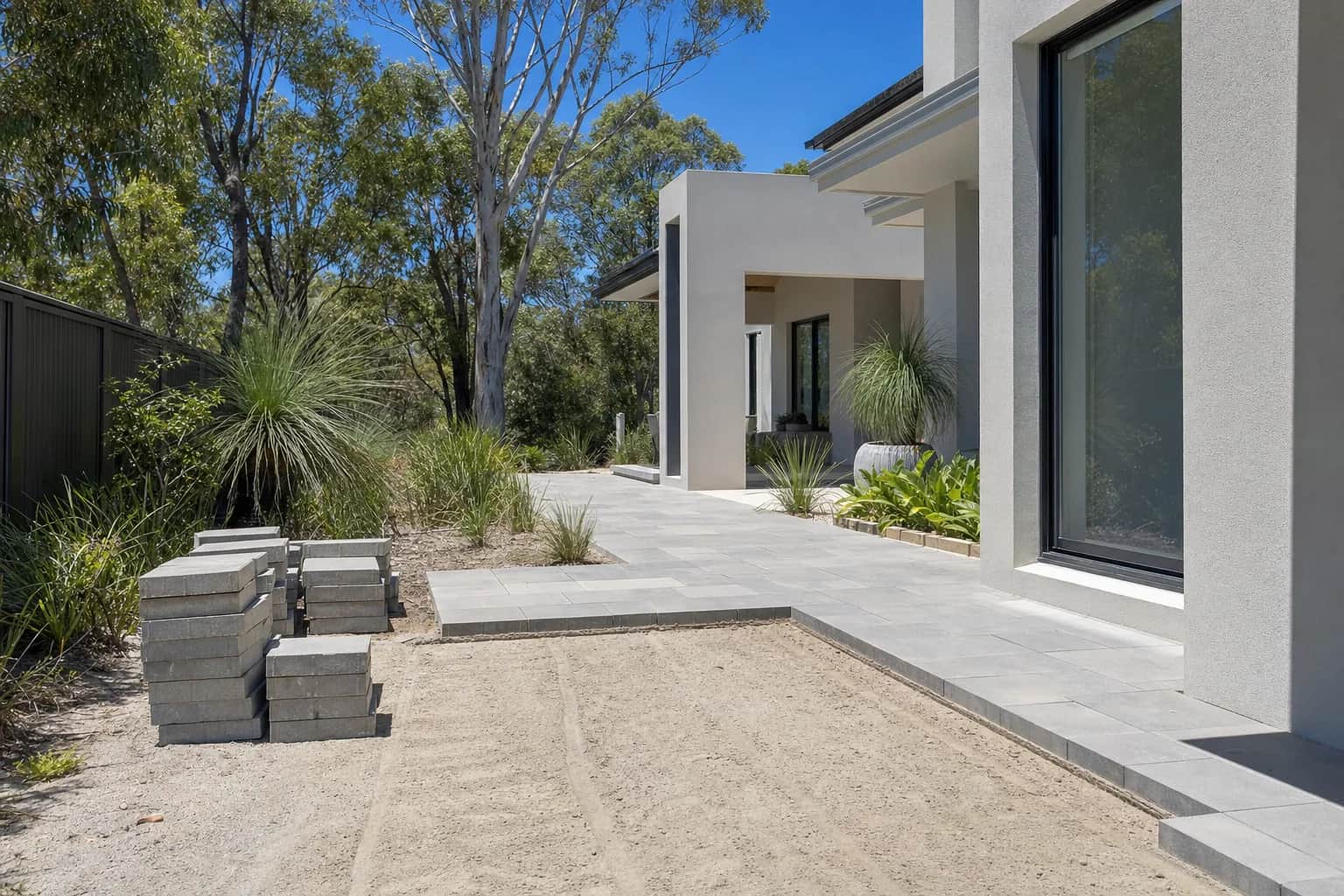
Replacing failed dry lay
Lifting paving that has sunk, rocked or spread, and relaying it properly. About half of what we do.
Learn moreEvery paver goes down on a full bed of wet mortar across its whole underside, over a base compacted to carry what will sit on it. No voids under the middle, nothing to rock, nothing for water to get into and sit in.
It is slower than screeding sand and laying onto it, and it costs more on the day. It is also the only version of this that is still flat in ten years, which is why it is the only version we do.
Every paver, every job, on a full bed of mortar.
Northern corridor
Deep coastal sand, and a lot of ground that was filled and levelled before the house went on it.
Almost every Currambine job starts with somebody else's paving. It went down on sand in the nineties, and after thirty summers the sand has washed, the joints have opened and the surface has spread away from itself.
Taking it up tells you what the base actually is. Under a lot of it there is no base at all, just screeded sand over the natural profile, which was normal practice at the time and is the reason the paving moved.
Split level blocks are the other Currambine feature. Where paving meets a retaining wall the wall is doing a job, and paving laid hard against it without a proper edge will push it over the years rather than sit beside it.
01
Established gardens
Thirty years of growth means roots. Anything running under the old surface gets dealt with at base stage, because a root under a mortar bed lifts it exactly the same way it lifted the last one.
02
Split levels and retaining
Paving that finishes at a retaining wall needs its own edge restraint so the wall is not the restraint. That is a detail, and it is the difference between a wall that stands and one that leans.
03
Lifting is half the job
On a replacement, taking the old surface out and getting it off site is genuinely half the labour. It is quoted as its own line so you can see what you are paying for.
Currambine and everything around it. If your street is on the edge of the boundary, it makes no difference to us: ask anyway.
We also pave nearby
Every area we cover
The suburb tells us the ground and the likely access. The photo tells us the job. Together they are usually enough to talk about a real number rather than a range.